Siding Installation
New fiber cement, vinyl or engineered wood siding over a proper house wrap, chosen for how each one stands up to Oklahoma hail.
Learn moreWindows take two kinds of abuse in central Oklahoma. Storms throw hail and debris at them, and the climate swings from summer heat that pushes through single-pane glass to winter wind that finds every gap around old frames. Either one can be the reason it's time for new windows.
Answered 24/7Call (405) 864-0080 and talk to Sapphire.
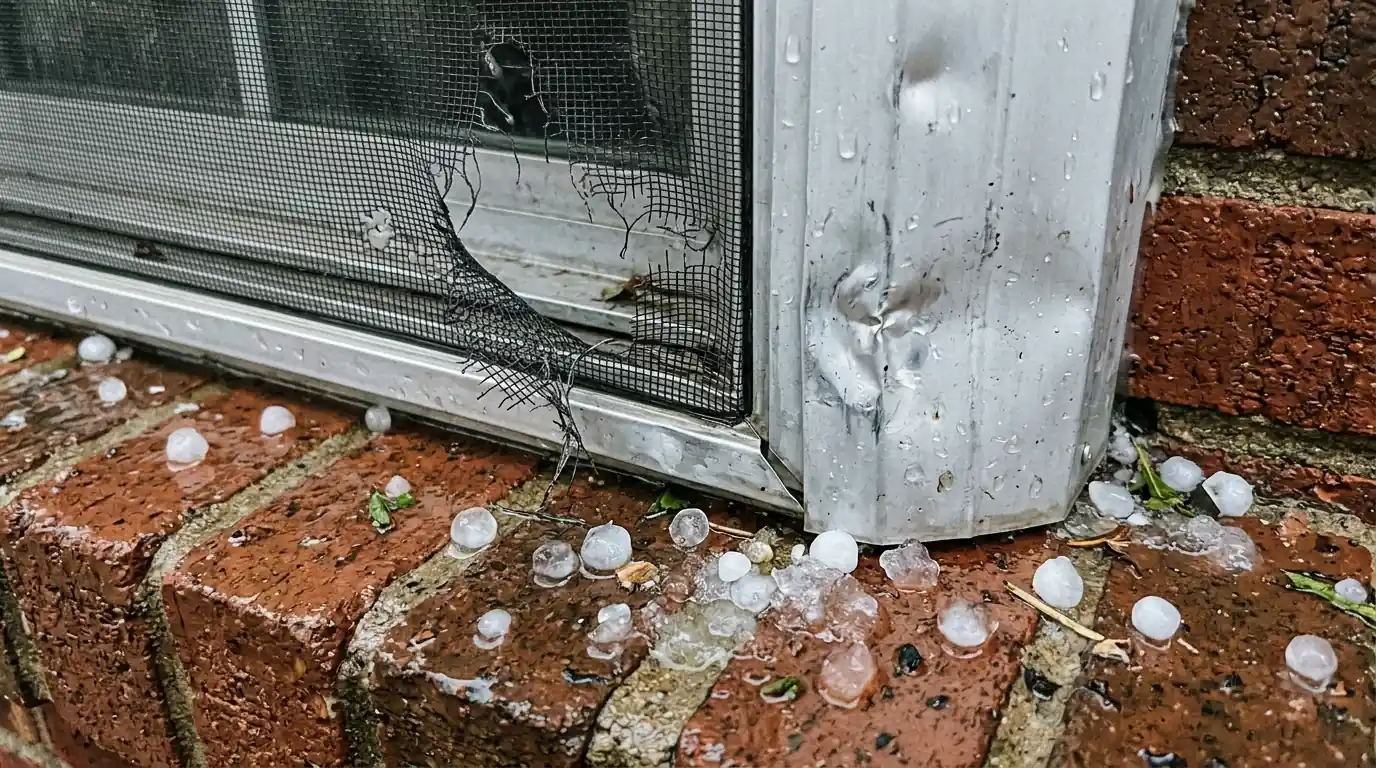
Window replacement swaps old or damaged windows for new units. In Oklahoma City, it usually follows hail that breaks glass, shreds screens and dents aluminum trim wraps, or it's done to fix drafty single-pane and early double-pane windows. Insert installs go into the existing frame; full-frame installs remove everything down to the rough opening and allow new flashing.
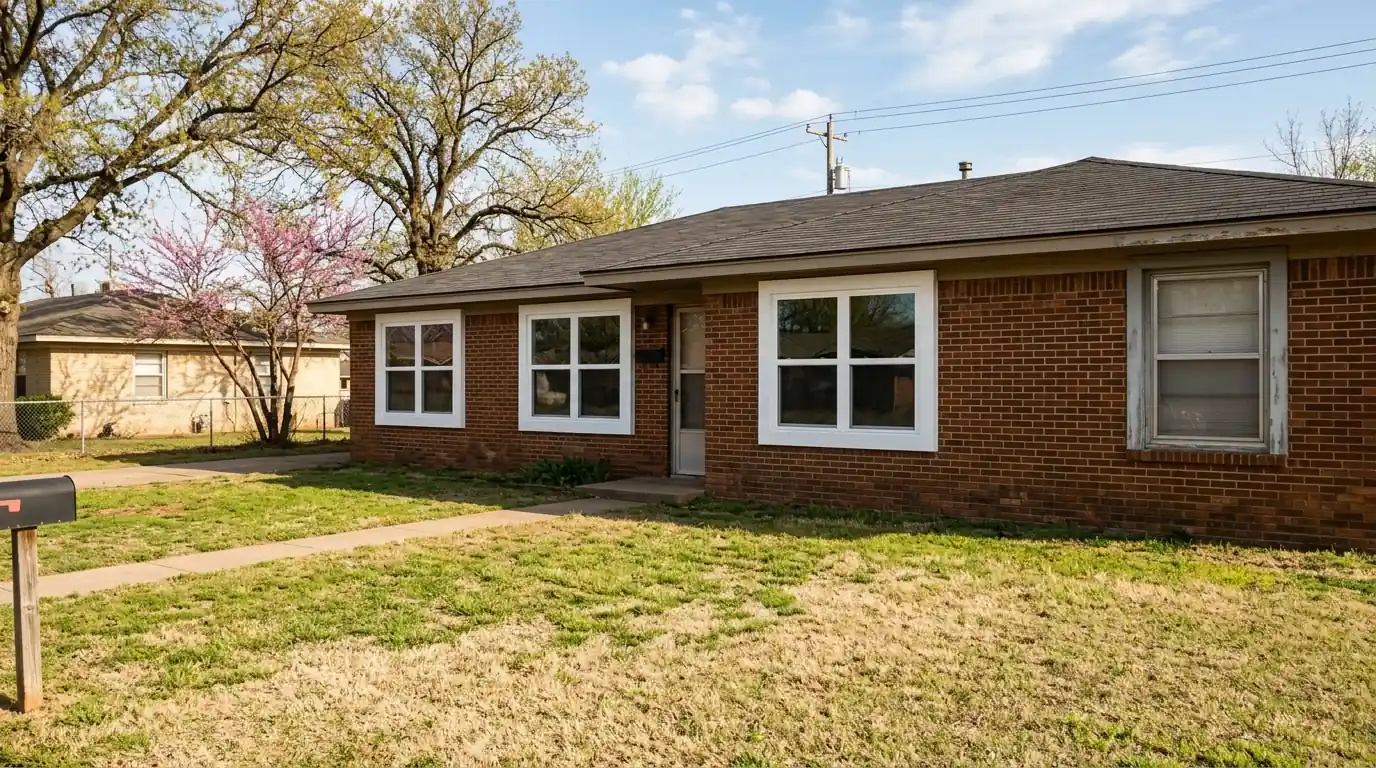
Sapphire replaces windows across the Oklahoma City metro, often as part of a storm repair with roofing and siding, and sometimes on its own for older homes in Del City, Midwest City, Bethany and central OKC. Our own crew removes the old units, fixes the opening, installs the new windows and finishes the trim inside and out.
Large hail can crack or shatter glass outright, and wind-thrown debris during spring storms breaks more. Broken glass needs to be boarded or covered right away so rain and wind don't get in. Once the house is secure, we measure for replacements.
Not every hit means a new window. A single cracked pane in a good frame can sometimes be reglazed or have the insulated glass unit replaced. If the frame is bent, the sash is cracked or the window is old single-pane aluminum, a full replacement usually makes more sense.
Window screens are often the first thing hail ruins. Torn mesh and bent screen frames are easy to spot from the yard and are commonly documented on hail claims. Aluminum trim wraps around window casings, the bent metal covering the wood trim on many brick homes, dent just like gutters do.
Vinyl frames can crack at the corners, and the beading that holds the glass in can split. We photograph screens, wraps and frames on every elevation during a storm inspection so damage that isn't obvious at first, like fine cracks in the frame, isn't missed.
Vinyl windows are the most common replacement choice in the metro. They're affordable, need no painting and insulate well with multi-chamber frames. Vinyl expands and contracts more with temperature, and dark vinyl colors can warp on hot west walls, so we usually suggest lighter colors or a material rated for dark finishes.
Fiberglass frames are stronger and move with temperature at nearly the same rate as glass, so seals stay tighter over years of Oklahoma heat and cold. They can be painted, come in darker colors, and allow slimmer frames with more glass. They cost more than vinyl, but they're a strong fit on west- and south-facing walls and for homeowners who plan to stay a long time.
An insert, or pocket, installation leaves the existing frame and trim in place and sets a new window inside it. It's faster, disturbs less interior trim and siding, and works well when the old frame is square and dry. The trade-off is a slightly smaller glass area and no chance to fix flashing behind the frame.
A full-frame installation removes the old window down to the rough opening. We can inspect for rot, replace damaged sill plates and sheathing, and install new sill pan flashing and flashing tape before the new window goes in. When siding is being replaced or the old frames show water damage, full-frame is the better choice.
Single-pane aluminum windows were common in homes built through the 1970s, and many are still in place across the older parts of the metro. Aluminum conducts heat and cold straight through, and the glass does little to block summer sun.
New windows with double-pane insulated glass, low-E coatings and gas fills cut heat gain in summer and drafts in winter. On west-facing rooms that cook every afternoon from June to September, a low-E coating tuned to block solar heat makes a noticeable difference. We also air-seal and insulate around each new frame so the gap between window and wall doesn't become the new draft.
After a big storm, the roof, siding, gutters and windows are often damaged at the same time. Coordinating them matters. Windows should go in before new siding so flashing can be lapped correctly, and trim wraps should be bent after siding is finished so everything lines up.
We document window damage on the same storm inspection as the roof and walls and meet the adjuster to walk the house. We describe what's damaged honestly, but we are not public adjusters and we don't negotiate the claim; you decide how to proceed with your carrier.
Any crack after hail or flying debris should be covered right away and evaluated for repair or replacement.
Shredded or punctured screens are a common sign of hail and often appear alongside roof damage.
Condensation trapped inside double-pane glass means the seal has failed and insulation value has dropped.
Air you can feel around closed windows on a windy day points to worn seals or a poorly sealed frame.
Windows that stick, won't lock or slam down may have warped frames or broken balances.
Soft wood or water stains under windows mean water is getting past the frame and flashing.
The same people who look at your roof are the ones who do the work, and they explain each step before it happens.
Call (405) 864-0080We check every window, photograph damage, and measure openings precisely for new units.
We go over vinyl and fiberglass options, glass coatings, and whether insert or full-frame installation fits.
Old units come out carefully, and we inspect the frame or rough opening for rot and water damage.
Sill pans and flashing tape go in where the opening is exposed, the window is set, shimmed, leveled and sealed.
Interior trim is finished, exterior trim is wrapped or sealed, and debris and glass are cleared.
Every roof is priced after we have seen it. These are the things that move the number up or down.
Call any hour. Our own crew inspects, photographs and explains the fix before any work starts.
Vinyl is the budget-friendly choice and works well for most homes, especially in lighter colors. Fiberglass is stronger and handles heat and cold cycles with less movement, which suits west-facing walls and darker colors. Both can be very energy efficient with the right glass.
An insert fits inside your existing frame, which is faster and keeps your trim. A full-frame replacement removes everything to the rough opening, letting us fix rot and install new flashing. We recommend full-frame when there's water damage or new siding is going on.
Screens, wraps and windows are often part of a hail claim along with the roof, but coverage depends on your policy. We photograph and list all window damage so you and your adjuster can see it clearly.
Often, yes. If the frame and sash are in good shape, the glass or insulated glass unit can be replaced on its own. If the frame is bent, cracked or the window is old single-pane aluminum, replacement is usually the better value.
Before or during the siding work. Installing windows first lets the flashing tape and house wrap lap correctly, and the new siding and trim can be fitted around the new frames.
New fiber cement, vinyl or engineered wood siding over a proper house wrap, chosen for how each one stands up to Oklahoma hail.
Learn moreSiding repair for hail-cracked vinyl, split or swollen boards and the moisture damage that hides behind them.
Learn moreHail inspections that look for bruised shingles, granule loss and fractured mats, plus repair or replacement after an OKC hailstorm.
Learn moreHelp with Oklahoma City roof insurance claims: damage photos, adjuster meetings and documented supplements. You own the claim.
Learn moreOklahoma City and the surrounding metro, including:
Deer Creek, Oklahoma CityMesta Park, Oklahoma CityCapitol Hill, Oklahoma CityEdmondMustangNewcastleEl RenoLogan CountyAll service areas