Hail Damage Roof Repair
Hail inspections that look for bruised shingles, granule loss and fractured mats, plus repair or replacement after an OKC hailstorm.
Learn moreOklahoma City sees hail almost every spring, and plenty of homeowners in the metro have replaced the same roof twice in a decade. That history is why Class 4 impact-resistant shingles have gone from a specialty product to a common choice on new roofs here.
Answered 24/7Call (405) 864-0080 and talk to Sapphire.
Class 4 impact-resistant shingles passed the UL 2218 test, where steel balls up to two inches across are dropped on the shingle without cracking it. In Oklahoma City's hail corridor they can reduce damage from moderate storms. They are not hail-proof, and some insurers offer a premium credit for them, so ask your agent before you choose.
Sapphire installs impact-resistant shingles on homes across the metro. Below we explain what the Class 4 rating actually tests, how the main types of impact-resistant shingles differ, what they will and will not do in a hailstorm, and how to approach your insurance company about them.
UL 2218 is a lab test for roof coverings. Steel balls of increasing size are dropped from set heights onto the same spots of a shingle sample. Class 1 uses a ball about one and a quarter inches across, and Class 4 uses a ball two inches across, the largest in the test.
To earn Class 4, the shingle cannot crack or split on the face or the back after being struck twice in the same place. That is a meaningful test, but it is still a steel ball in a controlled lab. Real hail varies in density, shape and speed, and it often arrives with wind driving it at an angle.
The most common route to a Class 4 rating is SBS modification. SBS (styrene-butadiene-styrene) is a rubbery polymer blended into the asphalt, which lets the shingle flex and absorb an impact instead of fracturing. These shingles stay more pliable in cold weather too, which helps during Oklahoma's freeze-thaw swings.
Other Class 4 products use a reinforcing layer, such as a polymer mesh or fabric backing, laminated to a more traditional asphalt shingle. Both approaches can pass the same test. We help you compare how each line looks, how heavy it is, and what wind rating it carries alongside its impact class.
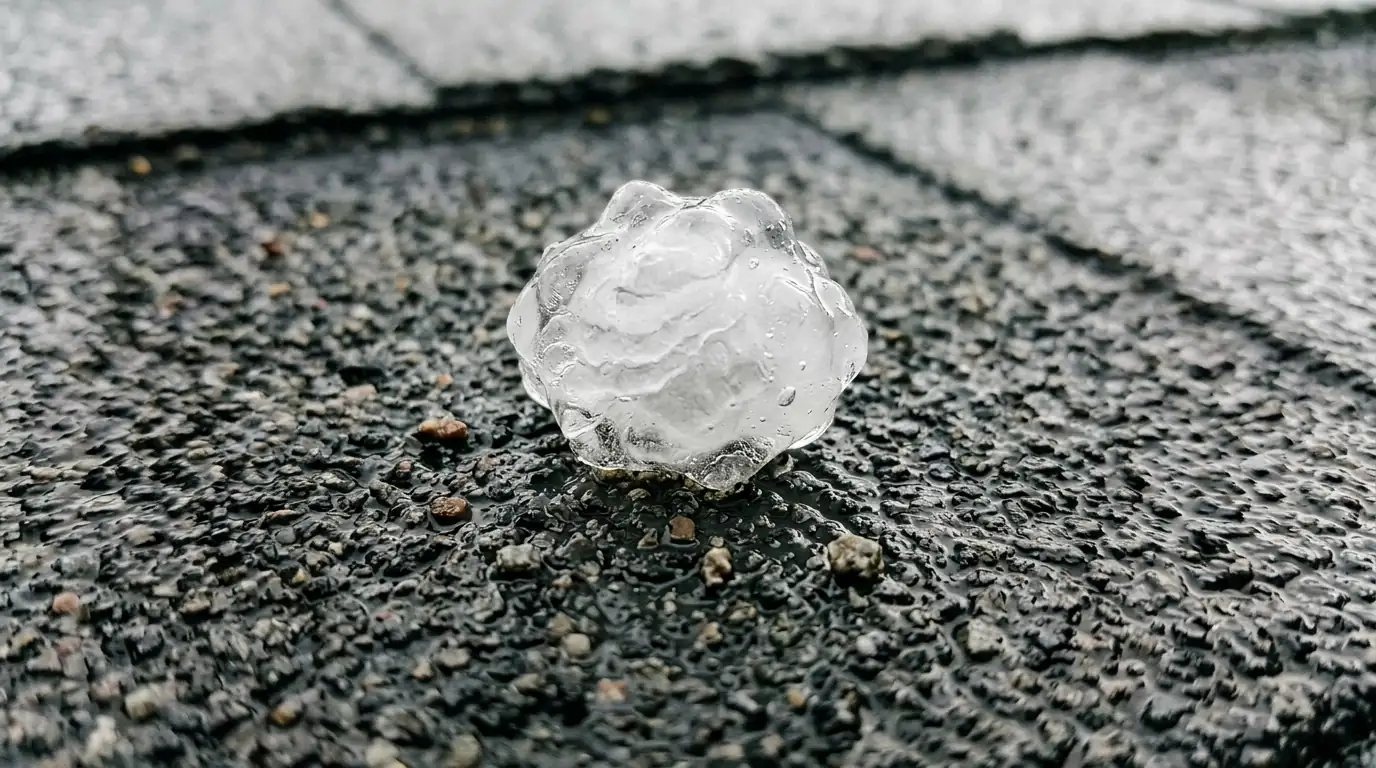
A Class 4 shingle is more likely to come through a moderate hailstorm without cracked mats or bruises that break the shingle's waterproofing. Granules can still be knocked loose, and very large or wind-driven hail can still damage it.
Class 4 also does not mean the rest of the roof is protected. Vents, pipe boots, skylights, gutters and metal flashing are separate items, and hail can dent or crack them even when the shingles survive. Be wary of any sales pitch that calls a roof hail-proof or promises you will never file another claim.
Some insurers offer a premium credit or other adjustment for roofs covered with impact-resistant shingles, and the rules vary by company and policy. Before you choose a product, call your agent and ask whether your policy offers any credit, what documentation they need, and whether it depends on the exact product.
Ask too whether a Class 4 roof changes how cosmetic hail damage is handled. Some policies limit coverage for cosmetic damage like small dents or granule marks that do not affect function. We provide the product details, the installation date and photos so you have what your agent asks for.
The shingle is only as good as the installation. Impact-resistant lines still need the correct nailing pattern, starter strip and hip and ridge caps, and some manufacturers require matching Class 4 accessories for the whole roof to keep its rating.
We also suggest upgrading the parts hail hits hardest. Heavier-gauge metal vents and sturdier pipe boots hold up better, and keeping branches trimmed back cuts down on the debris that rides along with storm winds and gouges the surface.
If you plan to stay in your home for years, and especially if you have already paid more than one hail deductible, Class 4 shingles are often worth a close look. They cost more than standard architectural shingles, so the decision depends on your budget, your policy and how long you will own the house.
If you are selling soon, a standard architectural roof may make more sense. Some buyers in Edmond, Yukon and other suburbs do ask about impact ratings now, though. We give you the pros and cons for your situation, not a one-size answer.
If your roof has been replaced or patched after hail before, a tougher shingle may lower future repair costs.
Choosing Class 4 at replacement time avoids paying for a second tear-off later.
New construction is a simple time to start with impact-resistant shingles.
If your insurer offers a premium adjustment, it may offset part of the higher material cost.
Shingles that crack when you bend them break easily in hail, while SBS-modified shingles stay flexible.
The longer you own the home, the more storm seasons a Class 4 roof has to prove itself.
The same people who look at your roof are the ones who do the work, and they explain each step before it happens.
Call (405) 864-0080We check the roof, decking and ventilation and photograph any existing hail damage.
We show SBS-modified and reinforced options and explain weight, look and wind rating.
We give you product names and details so you can ask your agent about any credit or coverage changes.
Our crew uses the required starter, nail pattern and matching accessories so the rating holds.
We give you photos and the product information to keep with your insurance records.
Every roof is priced after we have seen it. These are the things that move the number up or down.
Call any hour. Our own crew inspects, photographs and explains the fix before any work starts.
No. They resist cracking far better than standard shingles in lab tests, but very large or wind-driven hail can still damage them. Expect fewer problems from moderate storms, not immunity.
Some insurers offer a credit and others do not. Call your agent before you buy, ask what product details and paperwork they need, and ask how cosmetic damage is handled on your policy.
SBS-modified shingles blend a rubbery polymer through the asphalt so the shingle flexes on impact. Other Class 4 shingles add a reinforcing layer instead. Both pass UL 2218, so compare look, weight and wind rating.
Most look like standard architectural shingles from the street. They are offered in common colors and dimensional styles, and a few lines imitate slate or shake.
It is possible on a repair, but mixing products can look uneven and an insurer may not treat a partial roof as impact-resistant. Most homeowners choose Class 4 for the whole roof at replacement time.
Hail inspections that look for bruised shingles, granule loss and fractured mats, plus repair or replacement after an OKC hailstorm.
Learn moreFull tear-off roof replacement in Oklahoma City, from decking checks and underlayment to a magnet sweep of your yard.
Learn moreThree-tab, architectural and designer asphalt shingles installed in Oklahoma City with correct nailing and wind-rated starter.
Learn moreHelp with Oklahoma City roof insurance claims: damage photos, adjuster meetings and documented supplements. You own the claim.
Learn moreOklahoma City and the surrounding metro, including:
Lansbrook, Oklahoma CityCrown Heights, Oklahoma CityGatewood, Oklahoma CityWestmoore, Oklahoma CityYukonChoctawThe VillageCanadian CountyAll service areas